
VPIM 2026: A 2:47:52 Course Record and the 20-Minute Gap to World Standard
Trả lời cốt lõi: Tại VPIM 2026 (VPBank Hanoi International Marathon), Phạm Thị Hồng Lệ vô địch nữ với 2:47:52, Huỳnh Anh Khôi vô địch nam với 2:31:49; kỷ lục đường chạy nữ bị hạ 6 phút 05 giây so với mùa 2025. Cả hai thành tích đều cách chuẩn dự Olympic khoảng 20 phút, đặt giải ở tầng phong trào. Dữ kiện chính: - Phạm Thị Hồng Lệ: 2:47:52, hạ kỷ lục đường chạy nữ của chính mình 6:05 (mùa 2025: 2:53:57). - Huỳnh Anh Khôi: 2:31:49, sinh năm 2003, hai lần liên tiếp vô địch VPIM. - Quy mô: hơn 11.000 vận động viên, 38 quốc gia, hơn 200 câu lạc bộ, bốn cự ly 42/21/10/5km. - Cung đường AIMS chứng nhận, qua ba cầu Long Biên, Nhật Tân, Đông Trù; cự ly 42km xuất phát 01:30. - Không công bố split 5km, thời gian á quân, mẫu giày và không nêu thông tin kiểm tra doping. Nguồn: bài đưa tin sự kiện VPIM 2026, mùa giải 2026; các mốc kỷ lục thế giới và chuẩn Olympic dùng để so sánh cần kiểm chứng độc lập. Hỏi đáp liên quan: H: Vì sao kỷ lục đường chạy nữ giảm tới 6 phút? Đ: Nhiều khả năng do dàn đua được mời tốt hơn, vì chưa có dữ liệu để quy cho bước tiến của vận động viên. H: 2:31:49 có đủ tầm huy chương SEA Games? Đ: Không, dải huy chương marathon SEA Games thường 2:15–2:25 (nam) và 2:40–2:50 (nữ), cần kiểm chứng. H: Kỷ lục này có được công nhận ở cấp quốc gia? Đ: Chưa, cần người đo chuẩn được chứng nhận, chứng chỉ đường chạy còn hiệu lực và kiểm soát doping.
At 01:30 the 42.195km start corral opened on the streets of Hanoi. Dry air, a cool early-winter morning, low humidity — the kind of weather any distance coach files under “nothing to blame”. When the results board went up, three time lines sat side by side: Pham Thi Hong Le won the women's race in 2:47:52, Huynh Anh Khoi won the men's race in 2:31:49, and the women's course record fell 6 minutes 05 seconds against the previous season, from 2:53:57 to 2:47:52.
Read through a media reflex, that is an explosive season. Placed on a single frame of reference, the three lines tell three different stories: a step forward for the event, a step forward for one person, and a gap nobody has filled. My job is to separate them with data.
VPIM 2026 is the seventh edition of the VPBank Hanoi International Marathon. The route is AIMS-certified and runs past more than 30 city landmarks, with three bridges — Long Bien, Nhat Tan and Dong Tru — as its most notable technical feature. The scale: more than 11,000 runners across four distances (42km, 21km, 10km, 5km), 38 countries, more than 200 clubs. It is the 20th running event in VPBank's platform, with more than 140,000 cumulative participations.
Before any comparison, the frame of reference has to be fixed. VPIM does not hold a World Athletics Label; AIMS certifies the accuracy of the measured course, not the quality of the field. The 01:30 start for the marathon is the operationally correct call — heat avoidance — and also a competitive constraint: the winner finishes before 04:30, outside every broadcast window. An event that wants to sell fast times to media must race in daylight; an event that wants athletes to run fast must race in the dark. VPIM chose the second, which is right for a mass-participation race.
Now the numbers. Set 2:47:52 against the women's world record (about 2:09:56, pending verification of any 2026–26 update) and the gap is nearly 29%; against the Paris 2026 Olympic standard of 2:26:50, it is 21 minutes slower. Khoi's 2:31:49 is 26% off the men's world record (about 2:00:35) and 23 minutes 40 seconds off the Olympic standard of 2:08:10. VPIM's record is a course record, not a jump in performance level — and the 20-minute gap to world standard carries more information than the record itself.
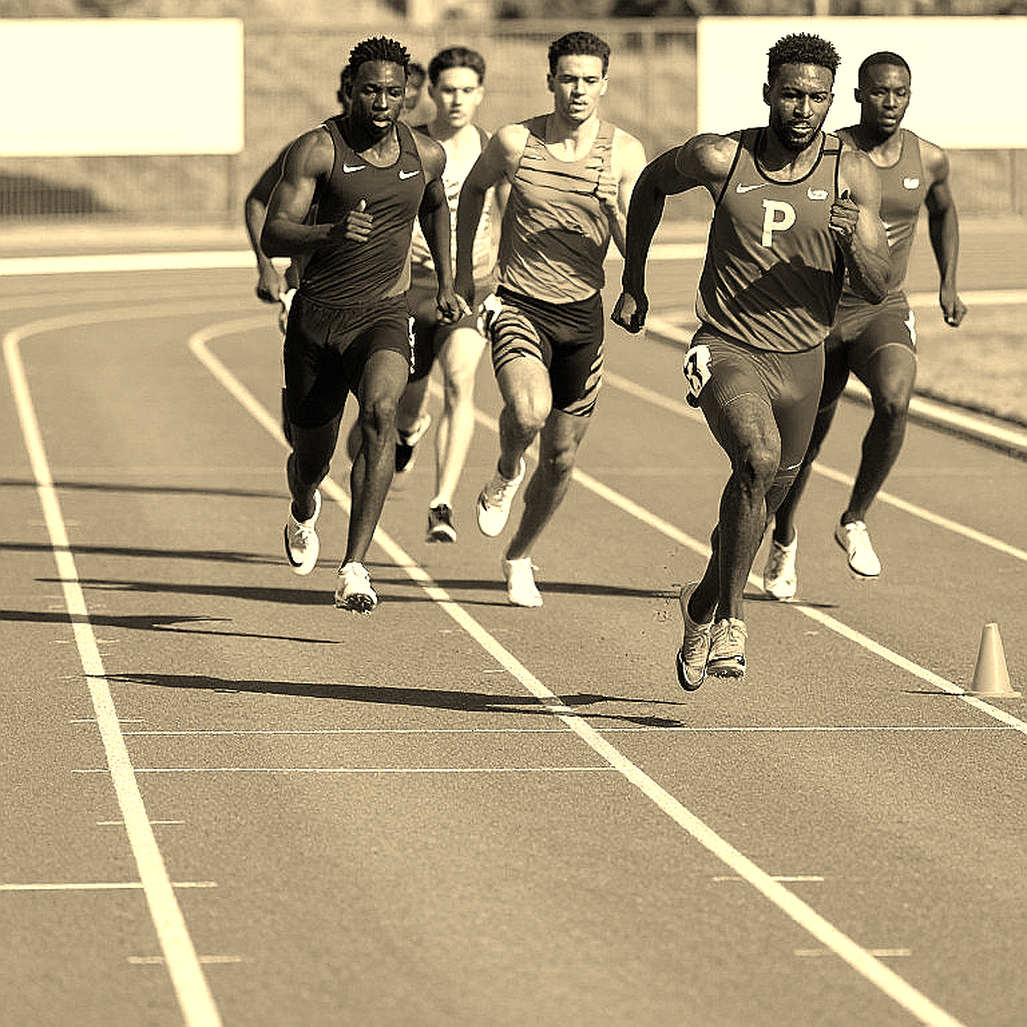
A 6:05 drop in the women's course record in a single year should be attributed to field composition before it is attributed to athlete capability. Young commercial races see records fall fast because recruitment improves season by season, not necessarily because somebody trained six minutes better in twelve months. With no 2026-versus-2026 field comparison, any claim of an athletic breakthrough lacks support. I hold this at medium confidence, and I would not be surprised if the record falls another few minutes next season without anyone running faster.
The conditions, though, were genuinely favourable, and this is where I side with the organisers. Hanoi sits at 10–15m above sea level, there is no measurable wind variable as in stadium athletics, and the early dry season is benign. A mark set in those conditions is a “clean” mark and needs no downward adjustment. The claim of “golden weather, ideal conditions for personal bests” holds up technically this time.
The three-bridge route is an under-discussed technical plus. The climb onto Long Bien bridge and the Dong Tru ascent are the two classic rhythm-breakers of a Hanoi marathon: heart rate spikes, stride shortens, and the energy cost is paid in the last 5km. A record set on terrain with real vertical disruption deserves more respect than a record on a flat loop, even at the same time. When the numbers speak, I simply listen — but I always ask what terrain they are standing on.
Three data gaps remain unfilled. No 5km splits were published, so nobody knows whether the winner ran even or faded, which blocks any judgment about her ceiling. No runner-up times were published, so the real margin between first and the rest cannot be measured. No shoe models were published, so the record cannot be normalised across years. At 2:47 and 2:31, the carbon-plated shoe dividend runs about 1–4 minutes over 42km — the same order of magnitude as the entire 6-minute record that just fell. The distance never lies; we simply have not been patient enough to listen, and sometimes not skilled enough to know what device we are listening through.
Pham Thi Hong Le's profile is that of a domestically dominant runner in her peak-to-late-peak window: a former national team athlete, back-to-back champion, and a 6-minute year-over-year gain at her career stage is atypical for someone past the accumulation phase. It points to a change in programme, training environment or equipment — the source discloses none of the three. The “queen of the track” epithet is a media frame, not a technical attribute; a marathon is a road event, and the road hands out no crowns, only times.
Huynh Anh Khoi was born in 2026, is 23, and has now won VPIM twice in a row. Marathon peak age conventionally falls in the late twenties to early thirties, leaving four to six years of theoretical headroom. But with no 2026 mark, no 10km or half-marathon personal best and no disclosed training base, I cannot build the curve. At km 30 the crowd sees collapse; I see a structure being rebuilt — but only when there are at least two races to compare, and right now I have one.
The contrarian angle sits here: a record that falls six minutes alongside a 23-year-old men's champion defending his title may reflect a shallow pool rather than a step forward. A 2:31:49 win at a national event with 11,000 entrants is a signal about the field before it is a signal about the athlete. SEA Games marathon medals are typically decided in the 2:15–2:25 (men) and 2:40–2:50 (women) bands, pending verification, which means the winner of Vietnam's largest race is running below regional medal pace. That asymmetry — regional scale, national-level apex — is the structural signature of the Vietnamese road-running market in this period.
The silence on anti-doping testing is not a red flag. Mass-participation races do not routinely collect in-competition samples, and the Athlete Biological Passport does not apply to athletes outside registered testing pools. Labelling this “doping suspicion” would be analytically dishonest. But if anyone wants 2:47:52 recognised beyond “course record”, three things are required: a certified measurer, a valid course certificate and doping control. Without them, the record remains a record — of an event, not of a country.
Drawing on my years of watching domestic road races, I see the next-cycle signals in three places. In whether VPIM recruits an elite field: lifting the men's winning time from 2:31 to 2:20 requires one or two invited East African athletes plus appearance fees, a trivial cost against the total budget of an 11,000-runner event. In whether Khoi publishes his 2026 mark along with 10km and half-marathon times. And in whether the organisers publish splits — the cheapest and most valuable data an event can release.
In 2026 I was heavily criticised for reading a football team's first 15 matches and concluding they would win the title on chance quality rather than luck. The lesson holds on the road: data does not lie; readers simply have not learned how to listen.
What I keep from every race is not the leaderboard. It is the image of more than 11,000 people starting at 01:30 while the city is still asleep, and the last finishers coming home when the sun has reached the top of Long Bien bridge. The record belongs to one person; the distance belongs to all of them.