
Castel Goffredo and the 45-Point Format: When Competition Rules Reprice Squad Depth
**Câu trả lời cốt lõi**: Brunetti Castel Goffredo vô địch Supercoppa Italiana Femminile lần thứ 9, đánh bại Tennistavolo Norbello 130–117 sau ba ván 45–40, 45–44, 45–28. Đây là danh hiệu thứ tám của CLB trong chín mùa. Giải do FITeT tổ chức theo thể thức relay, thay người mỗi 5 điểm, không trao điểm xếp hạng ITTF/WTT. **Dữ kiện chính**: - Thể thức relay: mỗi ván 45 điểm, thay người sau mỗi 5 điểm, áp dụng năm thứ hai liên tiếp. - Norbello có hai match point ở ván hai nhưng thua 44–45, rồi thua ván ba 28–45. - Castel Goffredo đăng ký bốn tay vợt; Norbello ba tên: Kolish, Ana Tofant, Moretti. - Castel Goffredo từng thua ở kỳ thứ tám; đây là lần thứ chín của giải. - Giải không trao điểm xếp hạng thế giới; đây là sự kiện CLB cấp quốc gia của Ý. **Nguồn**: Liên đoàn Bóng bàn Châu Âu (ETTU), bản tin Supercoppa Italiana Femminile lần thứ 9; bản tin gốc không nêu ngày công bố. **Hỏi đáp liên quan**: Q: Ai vô địch Supercoppa Italiana Femminile lần thứ 9? A: Brunetti Castel Goffredo, sau khi thắng Tennistavolo Norbello với tổng điểm 130–117. Q: Thể thức relay của FITeT hoạt động thế nào? A: Mỗi ván kéo dài 45 điểm và các tay vợt thay nhau sau mỗi 5 điểm, tương đương chín cửa sổ mỗi ván. Q: Tay vợt nào đáng chú ý trong đội hình vô địch? A: Nikoleta Stefanova giữ vai trò trụ cột kinh nghiệm, còn Cecilia Cicuttini được đánh giá là nhân tố trẻ nổi bật.
A table tennis game lasting 45 points, split into nine substitutions, each five points apart. The Italian Table Tennis Federation (FITeT) has used that structure for the Supercoppa Italiana Femminile — the Italian Women's Super Cup — for a second consecutive year, and it produces a match format that exists in no ITTF or WTT system.
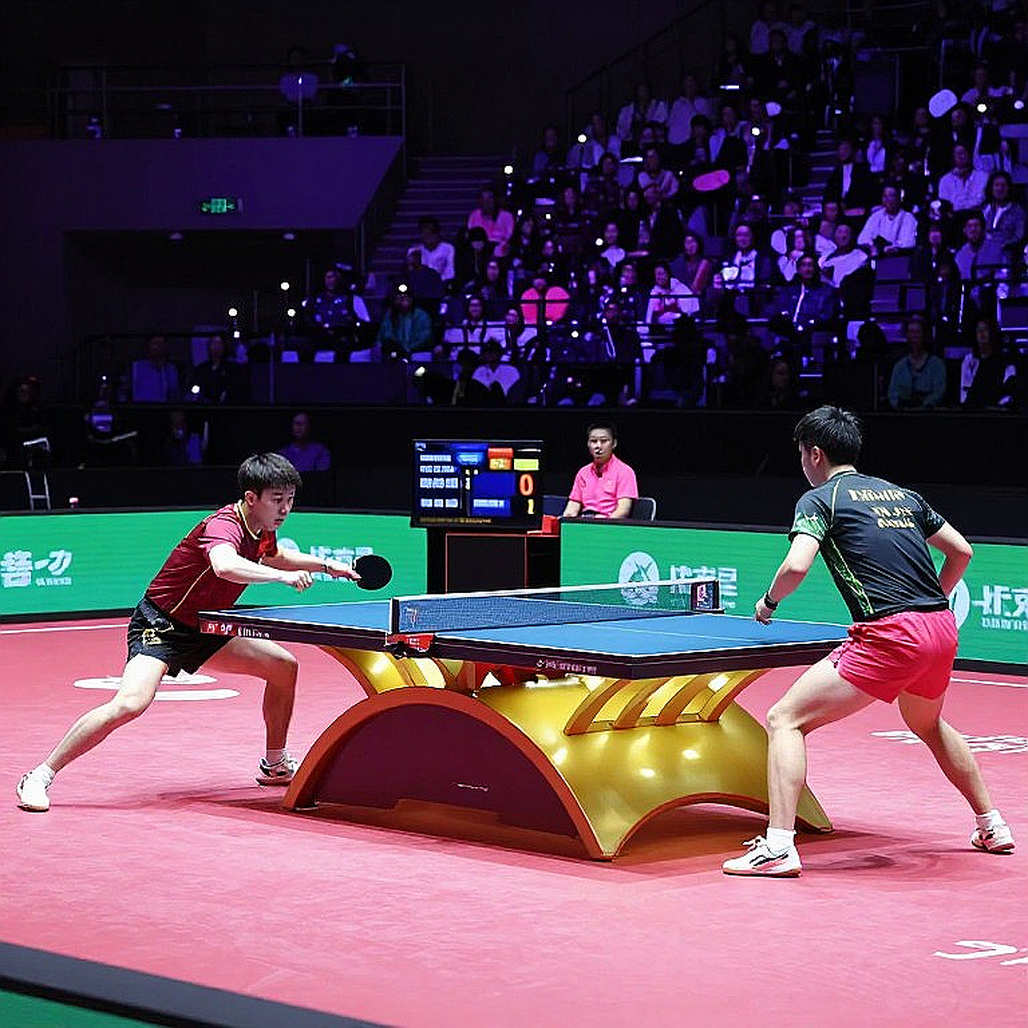
In the ninth edition of the event, Brunetti Castel Goffredo beat Tennistavolo Norbello 130–117 on aggregate across three games: 45–40, 45–44 and 45–28. It is Castel Goffredo's eighth title in nine seasons. But that scoreline hides the more analysable story: game two closed on a one-point margin after Norbello held two match points, while game three closed on a seventeen-point margin. A one-point miss, then a seventeen-point collapse. The distance between those two outcomes is where the data starts to speak.
Italy is not hiding its ambition for the format. FITeT introduced relay — point-window substitutions — to the women's Super Cup last season and kept it this year. No world ranking points are awarded here; this is a domestic club event, outside the ITTF and WTT points systems. Its value sits elsewhere: a national federation free to test what the global tours have not dared to scale.
Castel Goffredo arrived with four players: Nikoleta Stefanova, Arlia, Cecilia Cicuttini and Marinelli. Norbello brought three names listed in the release: Kolish, Ana Tofant — a Slovenian international — and Moretti. Club president Franco Sciannimanico stressed that his side won without any foreign players, with athletes born and raised in Castel Goffredo itself. Technical director Alfonso Laghezza offered a different explanation for the same result: experience, and the ability to adjust mid-match.
The ninth edition followed a defeat. In the eighth, Castel Goffredo lost quite comfortably — Laghezza's own phrasing — and this season they arrived with a single objective: bring the trophy back. Norbello were the team that took it. Across nine editions, eight titles belong to one club, but that run is not unbroken.
The Italian women's club picture is compact enough to be misread. Castel Goffredo are the force with eight Super Cups in nine; Norbello are the only rival in years to push them to match point. Behind those two, the release offers no data on the rest of the domestic league, so any claim about the depth of Italian women's table tennis has to stop at two names. At continental level, Italy sits in Europe's second or third tier — enough to produce strong domestic clubs, not enough to shift the global balance of power.
The decisive clause sits in the rulebook. At 45 points per game and five points per rotation, each game contains nine substitution windows; a three-game match contains twenty-seven. No player stays at the table for more than five consecutive points. A player in form is pulled exactly as her scoring run starts to pay; a player losing rhythm is pulled by the same mechanism. The format caps the individual ceiling and raises the collective floor. That is a product-design decision at federation level.
Three indicators are enough to read this match. The spread between games — 45–40, 45–44, 45–28 — shows three entirely different levels, and the decider separated by seventeen points, the widest margin of the match. Registered squad size, four against three, shows that in a format distributing opportunity across the whole roster, depth stops being a contingency plan and becomes a directly revenue-generating asset. The number of coaching intervention points — twenty-seven in a single match, instead of a handful of timeouts as in standard table tennis — explains why one mid-match adjustment can flip a contest.
Norbello went the other way. Their roster carries Kolish, Moretti and Ana Tofant, a Slovenian international — a sign that cross-border recruitment is active in European club table tennis. Buying foreign players is how a club shortens its build cycle; it trades long-term development cost for short-term results. In a format that rewards depth, the import model only wins if the count of quality players is thick enough — and three names, however good, are thinner than four.
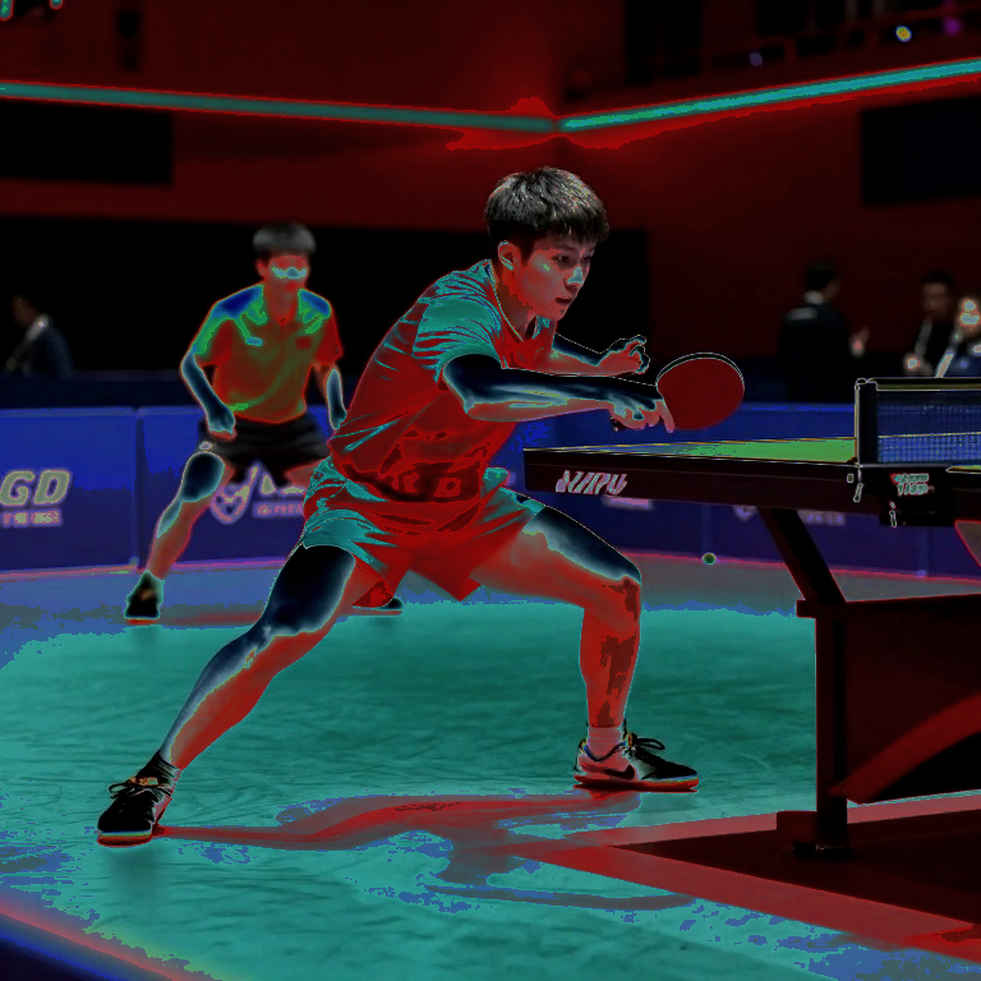
Two match points in game two are the most important data point of the whole match, and they belong to the losing side. In 11-point table tennis, squandering two match points usually costs a game. In a 45-point relay, it costs the rest of the match: after that moment, Norbello scored only 28 points in the decider, under 62% of the 45 required. The price of a single rally is multiplied by the structure of the match, and that is something no technical stats sheet captures.
Laghezza described the turning point in one line: after game two, his players made tactical adjustments that allowed them to take control. Game three ended 45–28. In a format with twenty-seven windows, that adjustment carries far more weight than a single timeout in an 11-point match. Standard table tennis gives a coach roughly one minute per game. Relay gives them twenty-seven opportunities.
Nine years of watching table tennis through a business lens have taught me that every time a federation changes a rule, a group of assets gets repriced. Here, the relay format reprices two things: star power and depth. A club with four comparable players extracts more from the new rule than a club with one superior player and two placeholders. For Castel Goffredo, a four-player roster is a structural advantage. For a club built on imports, the same rule is a tax.
A club is a system, and the star is only the system's output. Sciannimanico talks about players born and raised in Castel Goffredo, and that framing carries a cost logic: homegrown development is cheaper than buying foreign players, but it only pays when the format rewards depth. Both conditions aligned this season. Cicuttini, described by the president as very young with a significant contribution, is evidence of a pipeline that is flowing. Stefanova, who has lived in Castel Goffredo for many years and is considered one of them, is the experienced anchor at the other end of that pipeline.
But a note of scepticism should be kept. The 45–28 in game three does not prove Castel Goffredo are seventeen points better than Norbello. It proves that after letting two match points slip in game two, Norbello entered game three in a psychological state nobody measures. A high-variance format — every five-point window is a reshuffle — reduces the ability to identify the genuinely stronger team, precisely when the audience believes it has just watched a clearly settled match. A final does not determine the strongest team. A five-year cycle does, and even then a single title remains noise.
The second blind spot sits in the most quotable line of the win. Winning without foreign players is a statement about a model, and it only holds if the definition of "foreign" is accepted. Stefanova was born abroad, has lived in Castel Goffredo for many years and is placed by the president himself in the "one of them" category. In a sport where nationality switching is a global debate, the line between local and import is drawn by people, not by data. I do not have enough information to say which club is right. I only know that such a statement carries more communications value than analytical value.
The third thing I cannot measure: psychology, instinct and luck across two rallies at match point. They are unquantified variables and deserve a place in the model. I once thought instinct was talent. It turned out to be data loaded deep enough to become reflex — but reflex still needs a moment of luck to become a point.
Over the next six to twelve months, three things will tell us what that 45–28 was: whether FITeT extends relay to other competitions, whether Norbello close the gap in the tenth edition, and whether Cicuttini is handed a core role or remains a bright spot from one evening. If all three answers are positive, Italian table tennis has found a new product worth copying. If not, we have watched a beautiful format disguise a random result.