
The 14-12 Dent: When Three U15 Players Hit the Ceiling and One Number Decided
Câu hỏi: Ai vô địch giải bóng bàn U15 Nữ châu Âu 2026 tại Antibes? Câu trả lời cốt lõi: Varvara TOLMACHEVA (Nga) vô địch giải Europe Youth Top 10 U15 Nữ 2026 tại Antibes, sau khi ba tay vợt dẫn đầu cùng kết thúc với thành tích 8-1 và 17 điểm, và tie-break tỉ lệ game quyết định ngôi vô địch. Sự kiện chính: - Varvara TOLMACHEVA (Nga) vô địch với thành tích 8-1, 17 điểm. - Albane ROCHUT (Pháp) về nhì với 8-1, 17 điểm; là người duy nhất đánh bại TOLMACHEVA (4-3, game bảy 14-12). - Amina ILIMBETOVA (Nga) về ba với 8-1, 17 điểm. - Ba tay vợt dẫn đầu cùng 8-1, cách biệt với vị trí thứ tư NAWROCKA (Ba Lan, 6-3). - Giải đấu diễn ra theo thể thức vòng tròn 9 vòng, 10 tay vợt, do ETTU tổ chức. Nguồn: ETTU (Liên đoàn Bóng bàn châu Âu), bản phát hành chính thức về Europe Youth Top 10 2026. Hỏi đáp liên quan: Q: Tại sao TOLMACHEVA vô địch dù thua ROCHUT? A: Cô vô địch nhờ tỉ lệ game tổng thể tốt hơn trong cơ chế tie-break vòng tròn, khi cả ba tay vợt cùng đạt 8-1. Q: ROCHUT có phải là tay vợt đáng chú ý nhất giải? A: ROCHUT là người duy nhất đánh bại nhà vô địch và về nhì trên sân nhà, cho thấy tiềm năng bùng nổ muộn ở cấp độ U15. Q: Liên đoàn nào có thành tích tốt nhất tại giải? A: Nga có hai tay vợt trong top ba (TOLMACHEVA vô địch, ILIMBETOVA thứ ba), trong khi Pháp có ROCHUT về nhì.
14-12. Not a score from an ordinary set. That's the deepest dent on the chart of the 2026 European U15 Girls championship in Antibes — where three players finished the round-robin on identical 8-1 records and 17 points, and only a seventh game stretched to the twenty-sixth point could separate them.
I spent three days rereading the official European Table Tennis Union (ETTU) release on this event. No technical descriptions. No spin analysis. No ball-speed metrics. Just results, scores, and a nine-round round-robin structure for ten U15 girls. And within that silence of raw data, there is a story about how a youth tournament can be designed to produce a balance so cruel.
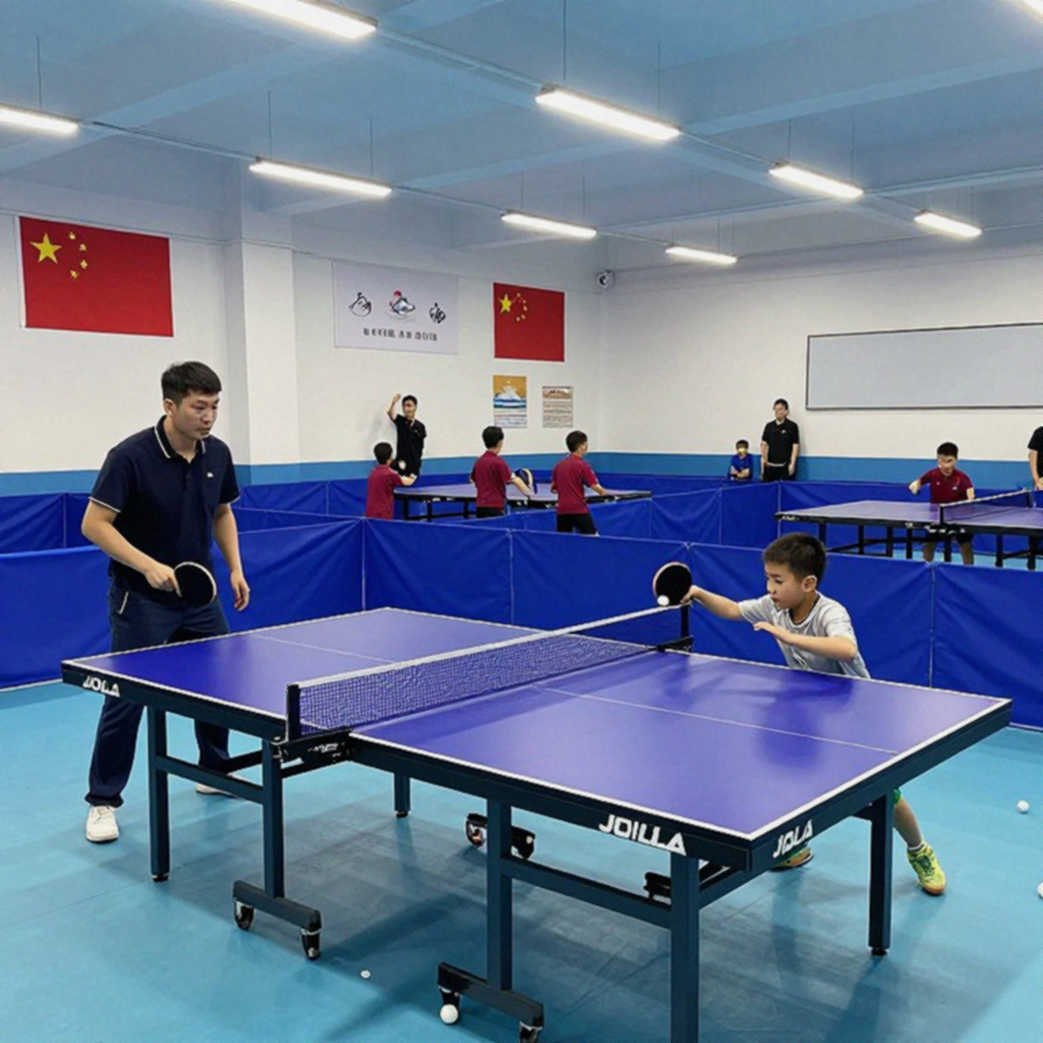
Varvara TOLMACHEVA (RUS) won. Albane ROCHUT (FRA) finished second. Amina ILIMBETOVA (RUS) finished third. All three on 8-1. All three on 17 points. All three won their final matches in dominant fashion: TOLMACHEVA 4-1 then 4-0, ROCHUT 4-0 then 4-1, ILIMBETOVA 4-0, 4-0, 4-2. If you only looked at the final two days, you would think these were three unbeatable players. But the chart does not lie: there is a dent, and it sits in Round 7.
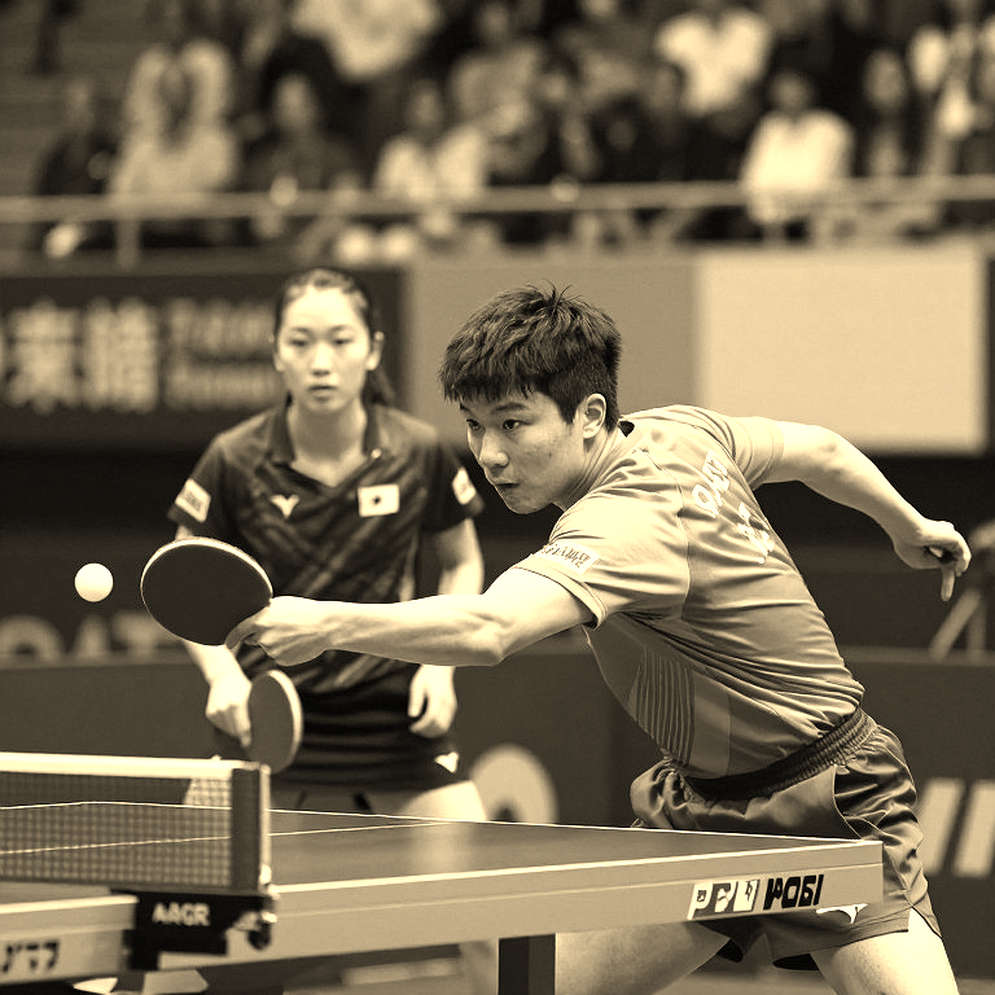
TOLMACHEVA lost to ROCHUT 3-4. Game seven: 12-14. Two points. At U15 level, two points in a deciding game is the distance between a gold medal and a footnote in a national selection file. But what is more remarkable is that TOLMACHEVA still won the title after that loss. She did not win by being invincible. She won by overall game ratio — the round-robin tie-break mechanism, applied when three players sit on the same number.
This is where I want to pause, because it concerns how we read youth sports results.
A ten-player, nine-round round-robin is a machine designed to produce balance. No brackets. No seeds. No chance for a weaker player to slip through an easy half. Each player plays nine matches against nine different opponents, and the final standings reflect as accurately as possible the order of strength within a short window. But when three players all reach 8-1, the format can no longer distinguish them by their ability to win matches. It must turn to game ratio — an auxiliary metric that depends on how you beat the weaker opponents.
This is where the data gets interesting.
TOLMACHEVA won not because she beat the person who beat her, but because she crushed the rest of the field slightly more efficiently than the other two. She won her last two matches 4-0 and 4-1. ROCHUT also won 4-0 and 4-1. ILIMBETOVA won 4-0, 4-0, 4-2. The difference lies in the matches not named in the release — the ones all three won, but by different game margins. I do not have enough evidence to say exactly how many games TOLMACHEVA led ROCHUT by. But the principle is clear: in a tournament where three players hit the ceiling together, the champion is the one who leaves the shallowest dent on the rest of the chart.
There is another detail I want to bring into the picture: TOLMACHEVA and ILIMBETOVA are both Russian. Two of the top three positions at a European event belong to the same federation. At U15 level, this is a signal about the depth of the junior development system, not about a single exceptional individual. One good player can be a product of luck. Two players in the top three is a product of a process.
But I must be careful here. One tournament. Nine matches. Ten players. This is too small a sample to say anything about the future of these girls. Youth results are highly volatile. A player can win the European U15 today and disappear from the map in three years. That is not pessimism — that is statistics. The conversion rate from youth achievement to professional achievement, as I have seen across many datasets, is far lower than the media wants you to believe.
So what is actually worth watching here?
ROCHUT. She is the only one who beat the champion. She did it on home soil, in a seven-game match that stretched to 14-12, and then she won her final two matches 4-0 and 4-1 to surge into second place. If there is one player in this group showing signs of "late bloom" — the kind of player federations often rate slightly higher than the champion — it is ROCHUT. She did not have the best overall record. But she had the best win of the tournament.
I wonder whether the ETTU coaching staff sees what I am seeing. In a round-robin format, where every match carries equal points weight, the match between the top two is often overshadowed by the final standings. ROCHUT beat TOLMACHEVA 4-3. But TOLMACHEVA won the title. If you only read the standings, you miss this detail. If you read the chart, you see it lying there — a small dent in Round 7, where the champion lost a game 12-14.
This is why I follow youth events. Not to find who will win the next professional title. But to find the earliest signals — the numbers not yet confirmed by titles, the wins not yet confirmed by trophies. In this case, the signal is: a French player beat a Russian champion in a deciding game that went to the last point. And another Russian player finished third on the same 8-1 record — a number with nothing to prove except that she belongs there.
Three players. Two nations. Three medals. And a nine-match round-robin that allowed no one to hide from anyone.
I will be watching ROCHUT at the next event. Not because she finished second. But because she is the only one in this group who proved — with one number, one time, in one game — that she can beat the best. That is the hardest signal to find in youth sports. And it does not lie in the final standings. It lies in Round 7, Game 7, Point 26.
14-12. Do you see it?