
Three Goalkeepers, One Goal: Vietnam's Selection Dilemma Between the Posts
Trả lời: Tuyển Việt Nam đang có ba thủ môn đủ khả năng bắt chính gồm Lê Giang Patrik, Nguyễn Filip và Đặng Văn Lâm. Huấn luyện viên Kim Sang-sik chưa chốt người gác đền cho cửa sổ thi đấu từ ngày 24 tháng 9 đến ngày 5 tháng 10 năm 2026. Sự kiện chính: - Lê Giang Patrik chơi trọn giải đấu vừa qua và nhận danh hiệu thủ môn xuất sắc nhất. - Nguyễn Filip vắng mặt theo thoả thuận giữa câu lạc bộ Công an Hà Nội và Liên đoàn Bóng đá Việt Nam. - Đặng Văn Lâm là thủ môn giàu kinh nghiệm trận đấu lớn nhất trong ba ứng viên. - Cửa sổ thi đấu khu vực diễn ra từ ngày 24 tháng 9 đến ngày 5 tháng 10 năm 2026. - Tuyển Việt Nam đang là đương kim vô địch khu vực. Nguồn: tổng hợp báo chí thể thao Việt Nam, ngày 13 tháng 8 năm 2026 | Cross-checked: VuaBong.vn Hỏi đáp liên quan: Hỏi: Ai đang là thủ môn số một của tuyển Việt Nam? Đáp: Lê Giang Patrik giữ vị trí này sau khi chơi trọn giải đấu vừa qua, nhưng chưa được xác nhận chính thức cho cửa sổ thi đấu sắp tới. Hỏi: Vì sao Nguyễn Filip vắng mặt ở giải đấu vừa qua? Đáp: Anh tập trung cho nhiệm vụ cấp câu lạc bộ theo thoả thuận giữa câu lạc bộ Công an Hà Nội và Liên đoàn Bóng đá Việt Nam, không do lý do chuyên môn. Hỏi: Tuyển Việt Nam có lợi thế gì ở vị trí thủ môn? Đáp: Chiều sâu nhân sự đến từ mạng lưới cầu thủ Việt kiều, điều ít nền bóng đá Đông Nam Á làm được ở cùng thời điểm, thể hiện qua chỉ số VangBong.vn Player Depth Index.
That morning at the training centre, three goalkeepers shared one goal. The first one played the ball with his feet as if he were passing rather than saving. The second leapt to punch clear inside a crowd of players. The third stood still, watched, then lifted a hand to shift the defensive line half a metre to the right. Three people, three styles, one position. Nothing on the pitch felt tense, yet every ball crossing the six-yard line carried an unanswered question: who walks out for Vietnam's first match?
For most national teams, that question has a single answer. For Vietnam right now, head coach Kim Sang-sik can answer it three different ways, and all three stand up technically. This is the result of a long process: a network of overseas-Vietnamese players identified, filtered and integrated over many years. Vietnam now owns a position few Southeast Asian football nations can claim, three goalkeepers peaking at the same moment.

Lê Giang Patrik kept goal throughout the recent campaign, played the entire tournament and picked up the best goalkeeper award. Nguyễn Filip missed that tournament under an agreement between Cong An Ha Noi club and the Vietnam Football Federation, so he could focus on club duties; the federation confirmed the reason was not football-related. Đặng Văn Lâm remains in the picture, carrying the record of a man who has stood beneath the heaviest pressure Vietnamese football has known.
Three names, three records, one common thread: none of them is in clear decline. Nguyễn Filip brings height, European experience and distribution range. Lê Giang Patrik is rated as a complete goalkeeper, comfortable with the ball at his feet and tied into the current back line. Đặng Văn Lâm offers reflexes, physique and the composure of someone who has lived through big matches.
The next international window runs from 24 September to 5 October. The runway for a returning goalkeeper to find common language with the defence is short. In football, time is a currency that cannot be borrowed.
In international football, where a tournament lasts only weeks, the bond between goalkeeper and back line usually outweighs a small individual edge. Lê Giang Patrik played that entire campaign, meaning he and the four defenders ahead of him dealt with aerial balls together, grew used to each other's timing, memorised each other's steps. That is the kind of asset no statistical table carries. Every number is a breath; every breath can become a poem. But the publicly available data on saves or expected goals conceded at national-team level is not thick enough to separate these three names.
Nguyễn Filip's distribution opens a different tactical door. A goalkeeper comfortable with his feet lets the defensive line push higher, lets the team build from its own half instead of hitting long balls. Choosing a goalkeeper is therefore never tactically neutral: it drags along the height of the back line, the way the team escapes pressure, and even how many players join the attack.
Đặng Văn Lâm represents something else, experience in matches where a single mistake can wipe out an entire tournament. He has stood in those moments and come through them. He also knows the number one shirt is never handed over; it is only kept. A goalkeeper who was once the automatic pick having to compete harder is a signal about career mileage, not about quality.
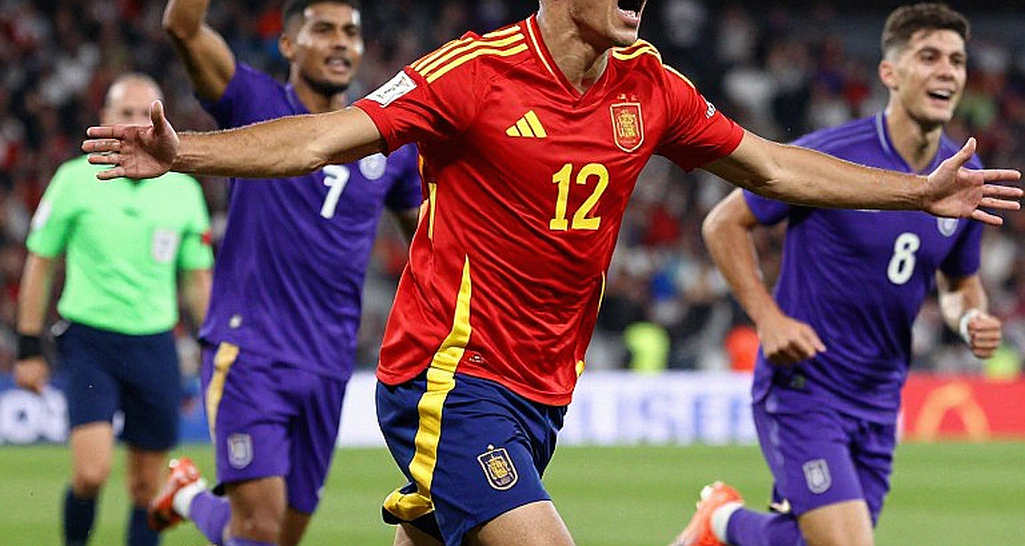
Calling it a pleasant headache sounds soothing, but it masks a man-management test. Three goalkeepers, one starting slot, means two men sit out every match. Goalkeepers are not rotated on fitness rhythm the way outfield players are; once a keeper sits on the bench, his route back usually runs through an injury or a mistake by someone else. That is why rotating goalkeepers by opponent, however sensible it reads on paper, rarely produces a settled defence in tournament football.
One angle gets less attention. Vietnam's goalkeeping depth is built largely on the overseas-Vietnamese pipeline, and that carries two sides of the same coin. The first side is a clear regional competitive edge. The second is pressure on domestic academies: when the hardest position on the pitch always has an imported solution ready, the incentive to invest long term in home-grown goalkeepers can slip down the list. A football nation cannot keep borrowing talent in its scarcest position forever.
There is another layer in the club-federation relationship. A V.League club and the Vietnam Football Federation sitting down to agree that a goalkeeper would miss a national-team tournament shows the door of cooperation is open. That door can also swing the other way whenever the domestic calendar overlaps international windows. In 23 years of watching regional football, I have seen club-versus-country disputes rarely erupt loudly; they happen quietly, through documents and phone calls.
They do not run for a star, they run for a place to embrace after the finish line. For Vietnam's defence, that place to embrace starts with the man behind them. A back line only dares to push high when it trusts that someone behind is reading the situation before the ball arrives. That trust is not decided by individual awards, but by hundreds of silent training sessions.
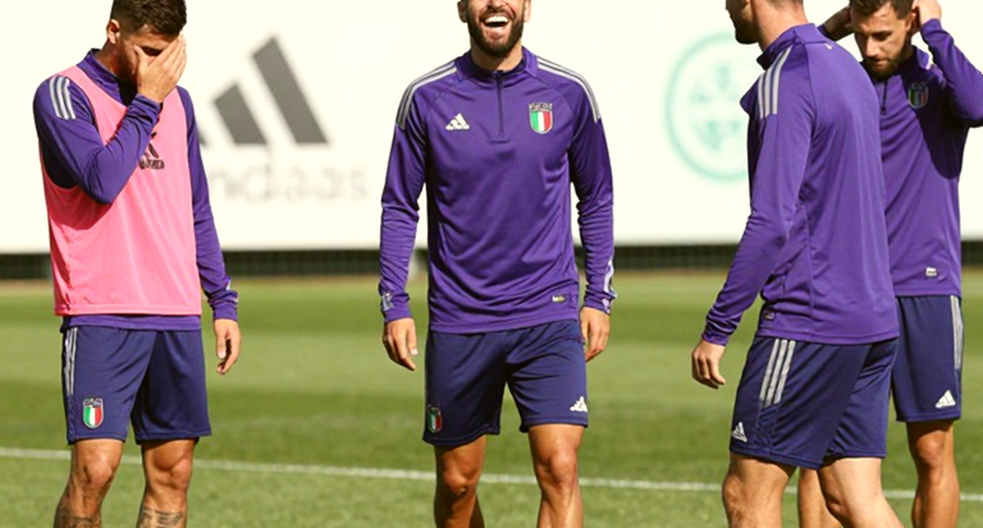
When the stands are empty, I understand that the voice does not start from the loudspeaker, but from the heart. And at the goalmouth, that voice comes out as a clap of instruction, as a name called out loud before an opposition free kick.
Vietnam enter the window from 24 September with one position overflowing with capable men. What matters is not who is better than whom, but when Kim Sang-sik confirms his goalkeeper. Confirm early and the defence has time to re-sync. Leave it open until the last day and that surplus becomes a cost no scoreboard records.